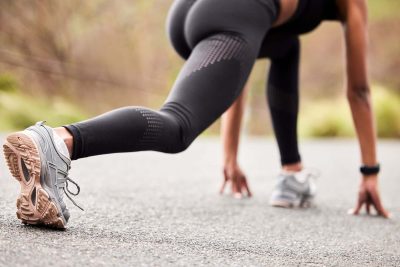
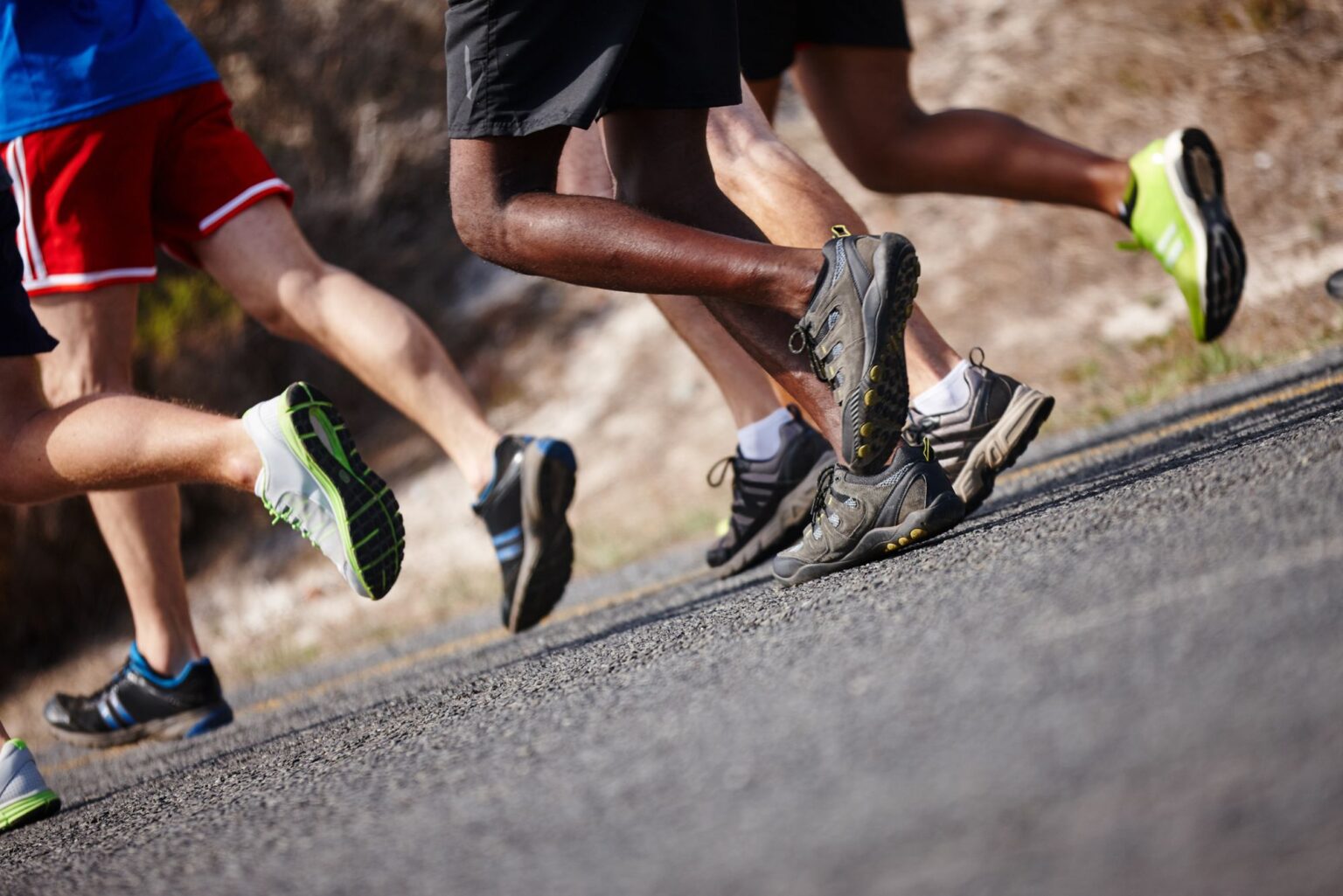


Pronation refers to the way your foot rolls inward when you walk or run. Understanding your pronation type is essential for choosing the right running shoes and preventing injuries. This blog covers what pronation is, why it matters, and how to identify your type.
Pronation is essential for shock absorption and proper foot mechanics during running. When your foot hits the ground, it naturally rolls inward to distribute the impact forces evenly. This movement helps in absorbing shock and stabilising your stride, making each step more efficient and comfortable. However, this seemingly simple motion can have profound implications on your running experience.
Knowing your pronation type helps in selecting the right footwear and preventing injuries. Runners who fail to address excessive inward or outward rolling of their feet often experience injuries such as shin splints, plantar fasciitis, and IT band syndrome. By identifying and addressing your specific pronation pattern, you can significantly reduce the risk of these common running injuries.

Choosing the right running shoes based on pronation type enhances comfort and prevents injury. Whether you have neutral pronation, overpronation, or underpronation, the correct running shoes can make a world of difference. They provide the necessary support and cushioning, optimising your performance and keeping you injury-free. In the runner’s world, understanding and controlling pronation is a key to longevity and enjoyment in your running journey.
Foot pronation can be broadly classified into three types: normal pronation, overpronation, and underpronation (supination). Each type has distinct characteristics and implications for your running mechanics. Recognising these differences helps manage your running gait and choose the right footwear.
Let’s dive into the specifics of each pronation type.
Normal pronation, or neutral pronation, is characterised by an even distribution of weight upon foot impact. When the foot lands, it rolls inward slightly, allowing the arch to efficiently absorb shock and distribute the force evenly across the foot. This natural movement ensures that the body remains balanced and the impact on joints is minimised.
Runners with neutral pronation typically experience fewer injuries as their foot mechanics are well-aligned. The even weight distribution aids in maintaining an upright posture and smooth running gait, making it the ideal scenario for most runners.
With the right running shoes that complement this natural movement, those with normal pronation can enjoy a comfortable and injury-free running experience at speed and rest.
Overpronation happens when the foot strikes the outside heel and then rolls inward excessively. This excessive inward roll can place additional strain on the inner edge of the foot and other areas, leading to potential injuries. Common injuries associated with overpronation include:
This type of pronation is most commonly observed in runners and can develop due to genetic predispositions or personal development over time. The increased inward rolling motion disrupts the natural alignment of the body, causing undue stress on the feet and legs. Overpronation can significantly affect running efficiency and increase the risk of injuries if not properly managed.
Managing overpronation involves selecting running shoes with enhanced medial support and firm midsoles to improve stability and reduce foot pronation. These features help in controlling the excessive inward roll, providing a more balanced and comfortable running experience. Addressing overpronation effectively can help reduce the risk of foot and leg injuries, ensuring a healthier running journey.
Underpronation, or supination, is the opposite of overpronation. It occurs when the foot rolls outward during impact, causing increased pressure on the outside edge of the foot. This outward roll can prevent the foot from absorbing shock efficiently, leading to potential injuries.
Runners who supinate often experience problems such as plantar fasciitis and shin splints due to the uneven distribution of impact forces. Unlike overpronation, where the foot rolls inward, underpronation fails to transfer weight to the big toe, resulting in less effective shock absorption.
Proper footwear and strengthening exercises can help manage correct supination and prevent related injuries.
Identifying your pronation type is essential for optimising comfort and performance while running. Various methods, including shoe wear analysis and gait testing, can help determine whether you have normal pronation, overpronation, or underpronation.
Understanding your specific pronation type allows you to choose the right running shoes and take appropriate measures to prevent injuries.
Evaluating the wear patterns on your running shoes while wearing shoes can provide valuable insights into your foot pronation and movement. Uneven wear on the soles of your shoes can indicate whether you tend to overpronate, underpronate, or have neutral pronation. For example, more wear on the inner edges of the shoes often suggests overpronation, while wear on the outer edge indicates underpronation.
Identifying these wear patterns not only helps in recognising your pronation type but also plays a crucial role in improving running efficiency and preventing injuries. Regularly checking your shoes for wear patterns while wearing them can help you make informed decisions about your footwear needs and adjustments to your running gait.
A professional gait analysis offers a detailed assessment of your foot movement and running mechanics. During this analysis, experts observe how your body moves and how your feet land and roll during walking or running, including the initial contact phase and the gait cycle. This in-depth evaluation helps identify any misalignment issues and specific pronation patterns.
Gait analysis often involves observing a runner’s foot placement and overall body movement to pinpoint areas of concern. By understanding your running gait and the dynamics of your foot pronation, you can make informed decisions about the best running shoes and corrective measures to enhance your performance and reduce injury risk.
Correcting pronation issues is crucial for preventing injuries and maintaining optimal running mechanics. Addressing foot pronation can help mitigate biomechanical issues affecting the knees and hips, reducing the risk of injuries like bunions and iliotibial band syndrome.
This section will explore various strategies, including footwear solutions, orthotics, strengthening exercises, and hip movements.
Supportive orthotics in running shoes are commonly used to treat running injuries linked to excessive pronation. Custom orthotics and insoles are designed to:
Orthotics and insoles are especially beneficial for runners with overpronation or underpronation, as they help correct the foot’s alignment and enhance shock absorption. Consulting a podiatrist can provide personalised orthotic solutions tailored to your specific foot type and pronation issues, ensuring a more comfortable and effective running experience.
Want to learn more? Why not check out our previous article: What are the best insoles for arch support?.
Strengthening exercises are essential for improving foot stability and managing pronation issues. Exercises targeting the intrinsic muscles of the feet, such as toe curls and arch lifts, can enhance foot stability and reduce pronation. Calf raises are also effective in strengthening the lower leg muscles, which play a crucial role in managing pronation.
Additionally, exercises targeting glute strength can significantly improve overall running mechanics and reduce overpronation. Stronger glutes help stabilise the hips and legs, ensuring proper alignment and reducing the strain on the feet. Incorporating these exercises into your routine can help correct pronation issues and enhance your overall running form.
Selecting the right running shoes for your pronation type is crucial for achieving optimal support and performance. This section will provide recommendations for the best running shoes for neutral pronation, overpronation, and underpronation, ensuring that you find the perfect fit for your feet.
For runners with neutral pronation, cushioned running shoes are recommended. These shoes are designed to work with the natural movement of the foot, allowing it to move naturally without excessive support. The cushioning provides the ideal balance of comfort and shock absorption, ensuring a smooth and comfortable running experience.
Neutral running shoes typically offer flexibility and adequate support to accommodate the natural pronation of the foot. By choosing the right shoes, runners with normal pronation can maintain their natural running gait and enjoy a more comfortable and efficient run.
We recommend the Asics Gel Nimbus 27, which is a leading cushioned model for neutral runners.

The best running shoes for overpronators should have extra medial support, firm midsoles, and additional cushioning to enhance stability and reduce the risk of injury. Stability shoes designed for overpronators often feature DUOMAXTM technology, which provides enhanced support and helps control foot motion.
These shoes are specifically designed to correct excessive inward rolling of the foot, ensuring proper alignment and reducing strain on the feet and legs. By selecting the right stability shoe, overpronators can enjoy a more balanced and injury-free running experience.
We recommend the Saucony Guide 18, a daily stability running shoe. It offers balanced cushioning and support through its CenterPath technology and PWRRUN foam midsole.

Want to find out more? Check out our detailed Women’s Saucony Guide 18 Review.
For underpronators or supinators, neutral-cushioned running shoes are recommended. These shoes offer flexible construction and extra cushioning to provide adequate shock absorption and protect the outer edges of the feet. The flexibility of these shoes allows for natural foot movement, reducing the risk of injuries associated with supination.
Shoes for supinators should also have midsole protection to enhance support during runs. By choosing the right cushioned and flexible running shoes, supinators can alleviate pressure on the outer edges of their feet and enjoy a more comfortable running experience.
We recommend the Asics Novablast 5. Its wide platform provides a stable ride, making it a great choice for supinators.

If you’re experiencing persistent issues or pain related to foot pronation, it’s wise to consult a medical professional. Podiatrists can:
Custom orthotics may be recommended if other interventions haven’t resolved your issues. These orthotics are designed to redistribute pressure on your foot, alleviating pain and preventing further injuries. By talking to an expert about your running shoes and overall foot health, you can find solutions that suit your specific needs and enhance your running experience.
Understanding and managing pronation is crucial for any runner looking to improve performance and prevent injuries. By identifying your pronation type through methods like shoe wear patterns and gait analysis, you can select the appropriate running shoes and take corrective measures such as wearing orthotics and performing strengthening exercises. These steps ensure that your feet are well-supported and aligned, reducing the risk of common running injuries.
In conclusion, paying attention to foot pronation and taking proactive steps to address any issues can transform your running experience. Whether you’re a beginner or a seasoned runner, the right knowledge and tools will help you maintain healthy feet and enjoy your runs to the fullest. Keep exploring, stay informed, and run with confidence!
Pronation is the natural inward roll of the foot upon landing, crucial for shock absorption and maintaining proper foot mechanics. Understanding your pronation type can greatly enhance your running comfort and performance.
You can identify your pronation type by examining the wear patterns on your shoes and obtaining a professional gait analysis, which will reveal how your foot moves and its support needs.
The best running shoes for overpronators include stability shoes that offer extra medial support, firm midsoles, and enhanced cushioning to improve stability and minimise injury risk. Prioritise these features when selecting your footwear.
Yes, custom orthotics can effectively assist with pronation issues by providing support and correcting foot alignment, which helps alleviate pain and reduce the risk of associated injuries.
To effectively improve pronation, focus on strengthening exercises like toe curls, arch lifts, and calf raises, which target the intrinsic muscles of the feet and support overall stability. These exercises can help mitigate pronation issues and enhance foot function.
Join our mailing list to stay up to date with the latest UK running events, training tips, and exclusive offers on running products. Rest assured, we value your privacy and would never dream of selling your address. Sign up now…